
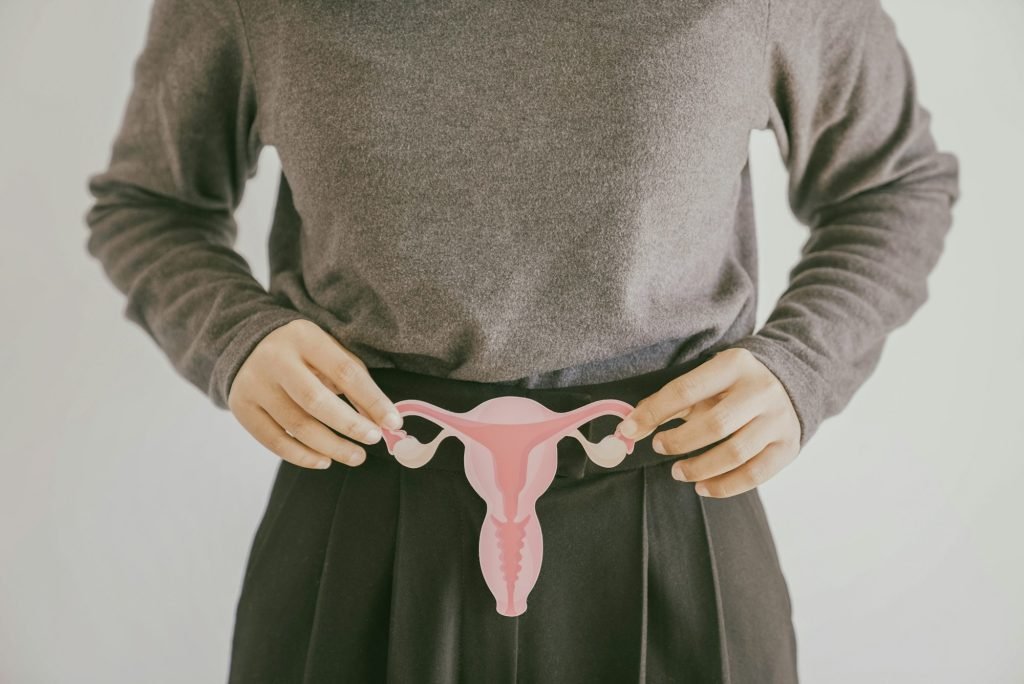
Polycystic Ovary Syndrome (PCOS) affects millions of women worldwide, and while its exact causes are still being studied, it’s clear that diet plays a significant role in managing its symptoms. Since PCOS often comes with hormonal imbalances, insulin resistance, and inflammation, proper nutrition can help alleviate many of these issues, improve overall health, and even support fertility. Here’s a guide on foods to eat and avoid to help manage PCOS effectively.
1. Understanding the Role of Insulin in PCOS
Many women with PCOS experience insulin resistance, meaning their bodies struggle to use insulin effectively, which can lead to elevated blood sugar levels. Over time, this increases the risk of developing type 2 diabetes and can contribute to weight gain, which is a common issue for women with PCOS.
A diet that focuses on controlling blood sugar levels can help improve insulin sensitivity and reduce some of the symptoms associated with PCOS, such as irregular periods, weight gain, and acne.
2. Foods to Eat for Managing PCOS
Incorporating nutrient-dense, whole foods that stabilize blood sugar and reduce inflammation is essential for managing PCOS symptoms. Here are the best food groups to include:
1. High-Fiber Foods
Fiber slows down digestion and helps regulate blood sugar levels, which is especially important for women with insulin resistance. It also promotes a healthy gut, which can influence hormone balance.
Examples:
- Vegetables: Broccoli, leafy greens (spinach, kale), cauliflower
- Fruits: Apples, berries, pears, oranges
- Whole grains: Quinoa, brown rice, oats, barley
- Legumes: Lentils, chickpeas, beans
2. Lean Proteins
Protein helps you feel full for longer and supports muscle repair, making it a great addition to any meal. It’s also important for stabilizing blood sugar.
Examples:
- Chicken, turkey, lean beef
- Fish (especially fatty fish like salmon and sardines, rich in omega-3s)
- Plant-based proteins: Tofu, tempeh, beans, lentils
3. Anti-Inflammatory Foods
PCOS is often associated with chronic inflammation, which can exacerbate symptoms. Eating anti-inflammatory foods can help reduce inflammation in the body.
Examples:
- Fatty fish (rich in omega-3s)
- Nuts and seeds: Walnuts, flaxseeds, chia seeds
- Olive oil and avocado (sources of healthy fats)
- Turmeric, ginger, and cinnamon (anti-inflammatory spices)
4. Low Glycemic Index (GI) Foods
Foods with a low GI release glucose slowly into the bloodstream, preventing blood sugar spikes that can worsen insulin resistance.
Examples:
- Whole grains: Brown rice, quinoa, oats
- Non-starchy vegetables: Leafy greens, cucumbers, peppers, zucchini
- Fruits with low GI: Berries, apples, pears, and cherries
5. Healthy Fats
Healthy fats can help manage inflammation and support hormone production, both of which are important for managing PCOS symptoms.
Examples:
- Avocados
- Nuts and seeds
- Fatty fish (salmon, mackerel)
- Olive oil
6. Fermented Foods
A healthy gut microbiome is linked to better hormone regulation. Consuming fermented foods helps promote gut health, which can positively affect PCOS symptoms.
Examples:
- Yogurt (unsweetened)
- Kefir
- Sauerkraut, kimchi
- Kombucha
3. Foods to Avoid with PCOS
Certain foods can aggravate PCOS symptoms, particularly those that cause blood sugar spikes or increase inflammation. Reducing or eliminating these foods from your diet can help manage PCOS more effectively.
1. Refined Carbohydrates and Sugars
Refined carbs, like white bread and sugary snacks, cause rapid spikes in blood sugar, worsening insulin resistance and leading to weight gain.
Avoid:
- White bread, pasta, and pastries
- Sugary drinks (sodas, sweetened coffee, and teas)
- Candies, cookies, and processed snacks
- Breakfast cereals with high sugar content
2. Processed Foods
Highly processed foods are often full of unhealthy fats, sugars, and chemicals that increase inflammation, leading to worsened PCOS symptoms.
Avoid:
- Fast food and fried foods
- Packaged snacks (chips, cookies)
- Processed meats (sausages, bacon, and cold cuts)
3. Trans Fats
Trans fats, found in many processed and fried foods, are known to increase inflammation and contribute to insulin resistance, which can make PCOS symptoms worse.
Avoid:
- Margarine and hydrogenated oils
- Processed snacks like crackers and chips
- Baked goods made with shortening
4. High GI Foods
Foods with a high glycemic index cause rapid increases in blood sugar, leading to insulin spikes and worsening insulin resistance.
Avoid:
- Sugary cereals
- White bread, white rice
- Sugary snacks and desserts
5. Dairy (for some women)
While not all women with PCOS are affected, dairy can cause an increase in insulin levels and stimulate androgen production in some women, leading to acne or other symptoms. Experiment with reducing dairy intake to see if it helps alleviate your symptoms.
Avoid (if sensitive):
- Full-fat milk and cheese
- Ice cream
- Cream-based products
4. Additional Lifestyle Tips for Managing PCOS
In addition to diet, there are several lifestyle changes that can help manage PCOS symptoms:
- Exercise Regularly: Physical activity improves insulin sensitivity and supports weight management, both of which are crucial for women with PCOS.
- Stress Management: High stress levels can elevate cortisol, a hormone that can exacerbate insulin resistance. Practice stress-reducing activities like yoga, meditation, or deep breathing.
- Sleep: Aim for 7-9 hours of quality sleep each night. Poor sleep can disrupt hormones and worsen PCOS symptoms.
Conclusion
Managing PCOS through nutrition involves focusing on whole, unprocessed foods that stabilize blood sugar and reduce inflammation. While it’s important to avoid refined carbohydrates, sugars, and processed foods, eating a balanced diet rich in fiber, lean proteins, healthy fats, and low-GI foods can greatly improve symptoms. Coupled with regular exercise and stress management, a nutritious diet is a powerful tool in managing PCOS effectively.